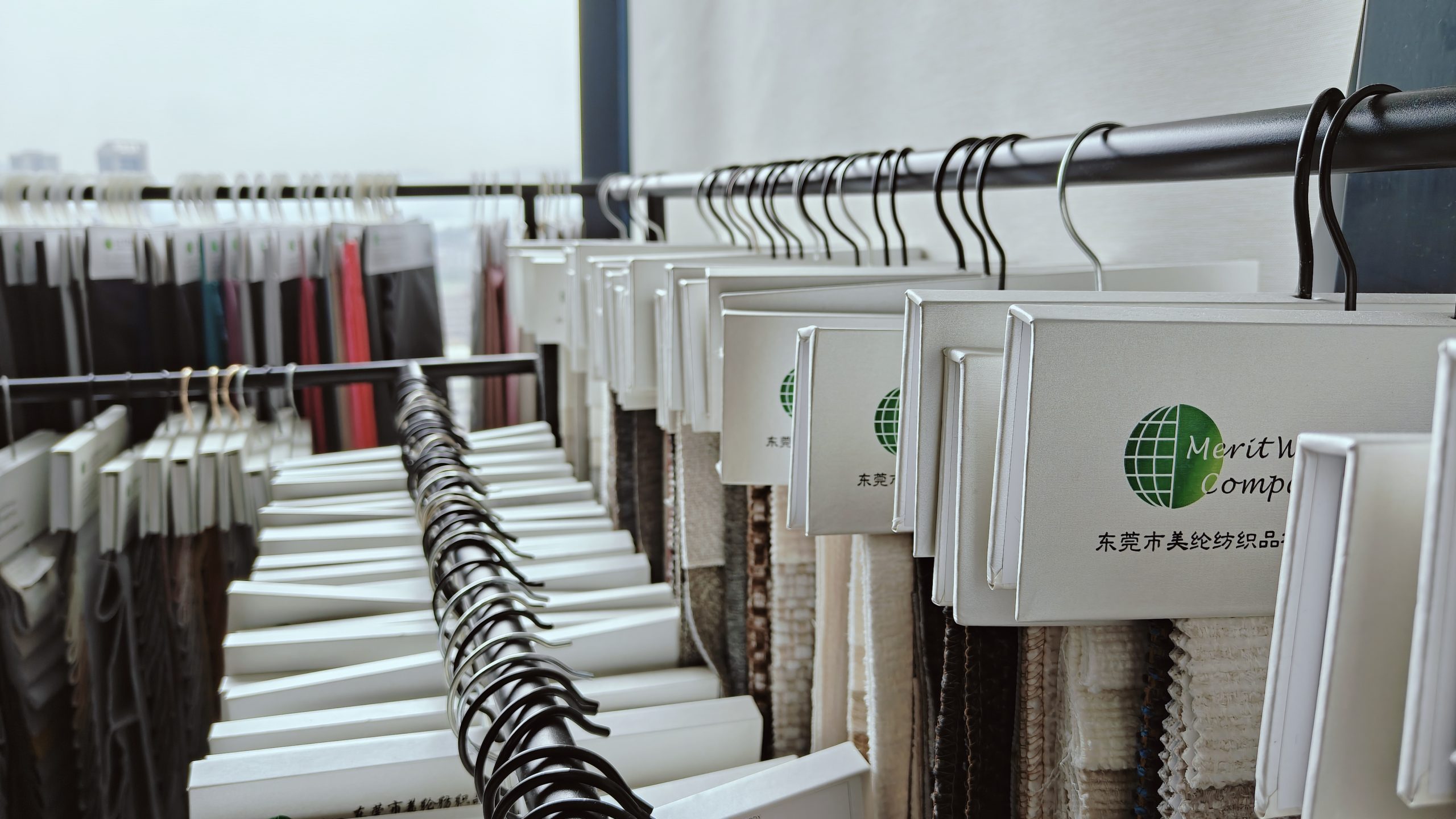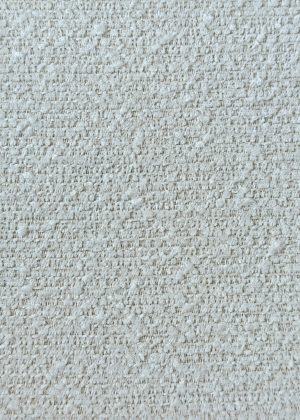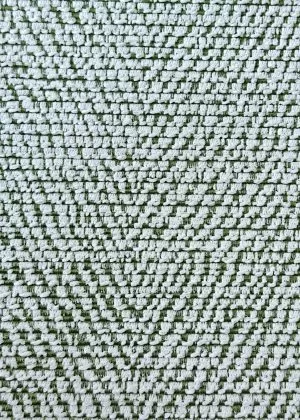
Sourcing fabric from China can create valuable opportunities for furniture manufacturers, hospitality businesses, interior designers, and other professional buyers. However, without careful planning and supplier evaluation, buyers may encounter avoidable problems related to price, quality, contracts, logistics, and production.
In this guide, we look at some of the most common mistakes buyers should watch for when sourcing fabric from China and explain practical ways to reduce these risks.
For a broader overview of the complete purchasing process, you can also read our complete guide to sourcing fabric from China.
1. Choosing a Fabric Supplier Based Only on Price
One of the most common mistakes in fabric sourcing is choosing a supplier simply because they offer the lowest quotation.
A lower price may sometimes be associated with differences in fabric construction, material selection, quality control, lead time, service, or other purchasing conditions. A low quotation does not necessarily represent the lowest total cost for your project.
What Should You Check?
Instead of comparing unit prices alone, ask the supplier to clarify:
- What is included in the quoted price?
- Does the quotation include packaging?
- Are sample or development costs included?
- What are the minimum order requirements?
- What quality standards are included?
- What is the expected production lead time?
It is better to compare the overall value of the supplier, including quality, reliability, communication, production capability, and delivery, rather than focusing only on the lowest price.
2. Skipping Supplier and Factory Verification
Another common mistake is moving forward with a supplier without taking enough time to verify its manufacturing capabilities and quality systems.
A factory audit or supplier verification process can provide useful information about production equipment, manufacturing capacity, quality control procedures, technical capabilities, and the people responsible for production and quality management.
What Should You Verify?
Depending on the project, buyers may review:
- Manufacturing facilities and equipment
- Production capacity
- Quality control procedures
- Technical and production teams
- Product development capabilities
- Relevant testing and certifications
- Experience with international customers
A supplier verification process does not guarantee that every future order will be problem-free, but it can help buyers better understand the supplier before making a larger commitment.
To learn more about Merit Wove, our manufacturing capabilities, and our approach to quality and compliance, visit our About Merit Wove page.
3. Failing to Put Important Terms in Writing
Verbal discussions are often an important part of business communication, but important purchasing requirements should also be clearly documented.
Misunderstandings can occur when product specifications, delivery schedules, quality requirements, or commercial terms are discussed informally but are not clearly reflected in the final order documents.
What Should Be Clearly Defined?
Before placing an order, make sure the relevant documents clearly state:
- Product code and fabric specification
- Color and approved sample
- Quantity
- Price and payment terms
- Production and delivery schedule
- Quality requirements
- Packaging and labeling requirements
- Inspection or acceptance requirements
For international transactions, buyers may also use a bilingual contract where appropriate to reduce misunderstandings between both parties. Any commercial terms, responsibilities, and remedies should be reviewed and agreed upon before production begins.
Clear documentation gives both the buyer and supplier a common reference throughout the order process.
4. Ignoring Logistics and Hidden Costs
The supplier’s quoted fabric price is not always the final cost of purchasing and importing the goods.
Additional costs may include transportation, customs duties, taxes, insurance, documentation, handling charges, and other logistics-related expenses, depending on the shipment and destination.
Calculate the Total Landed Cost
Before agreeing to a final purchasing price, consider the total landed cost rather than looking only at the supplier’s fabric quotation.
Useful questions include:
- How will the goods be shipped?
- What are the estimated freight costs?
- What import duties or taxes may apply?
- Who is responsible for export and import documentation?
- What happens if the shipment is delayed?
Comparing the total purchasing cost can give you a more realistic basis for evaluating different suppliers.
5. Failing to Maintain Quality Control Throughout the Order
Quality control should not stop after the initial sample has been approved.
For fabric purchasing, the bulk production should continue to meet the agreed requirements for composition, appearance, color, weight, width, construction, and other project-specific specifications.
What Should Be Monitored?
Depending on your requirements, quality checks may include:
- Fabric composition
- Color consistency
- Weight
- Width
- Texture and appearance
- Pattern or design consistency
- Abrasion and other agreed performance tests
- Packaging and labeling
It is also useful to make sure that the approved sample and the final production requirements are clearly documented. This gives both the buyer and supplier a reference point when checking the finished goods.
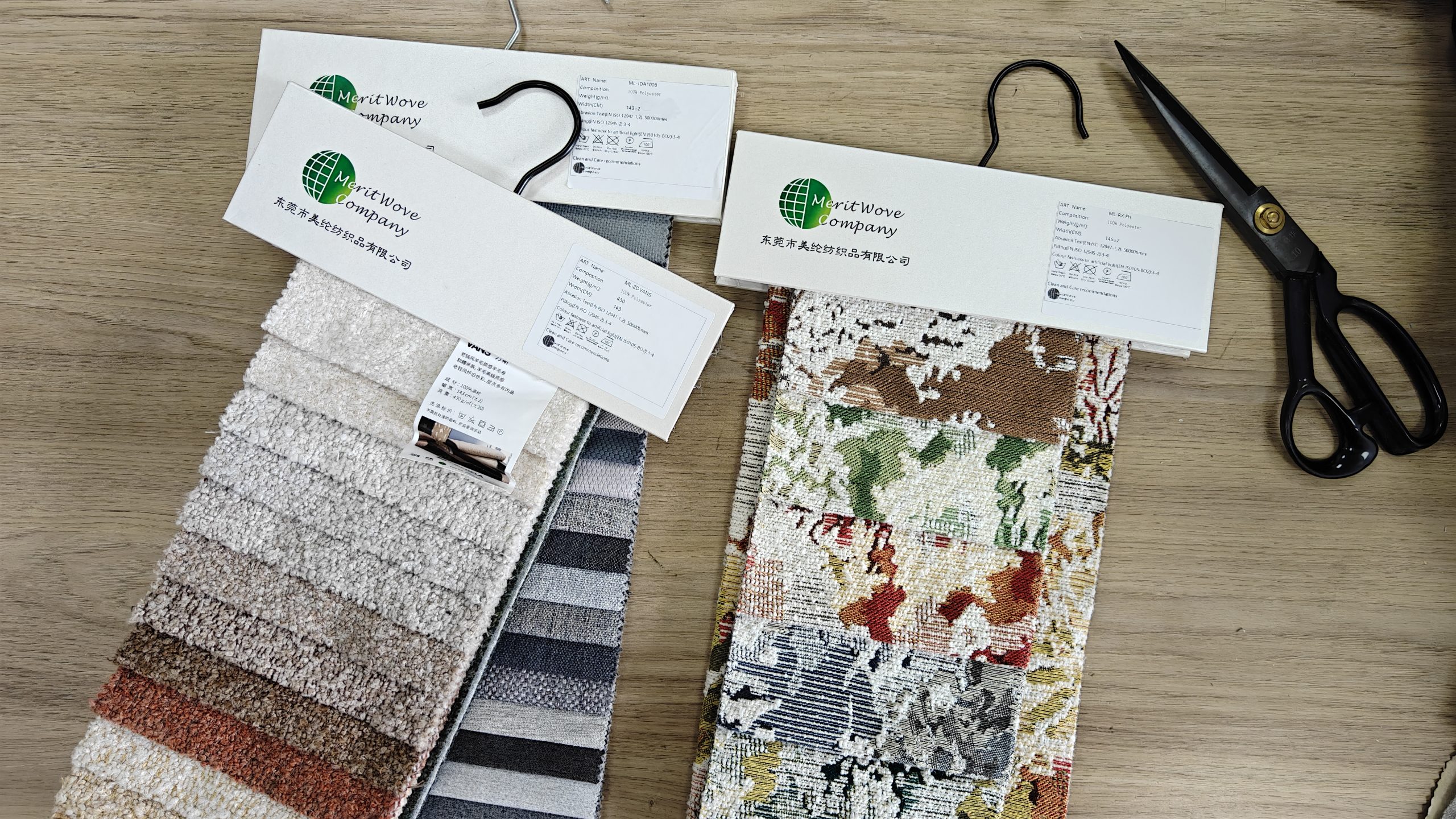
You can learn more about our fabric range and different applications through our fabric collections.
6. Placing a Large First Order Too Early
One of the most practical ways to reduce sourcing risk is to avoid placing a large first order before you have enough experience with a new supplier.
An initial sample may meet your expectations, but the most important question is whether the supplier can reproduce the same quality consistently during bulk production.
Start with a Trial Order
For a new supplier relationship, consider starting with a smaller order when the project allows it.
This gives you an opportunity to evaluate:
- Actual bulk production quality
- Color and fabric consistency
- Production lead time
- Communication during production
- Packaging and shipment arrangements
- Supplier responsiveness after the order is placed
After several successful orders, you will have more practical experience with the supplier’s quality, communication, and delivery performance, which can help inform future purchasing decisions.
How to Reduce Risk When Sourcing Fabric from China
The most effective way to reduce sourcing risk is to approach the purchasing process systematically.
- Define your requirements before contacting suppliers.
- Compare suppliers using more than price alone.
- Request and evaluate physical samples.
- Verify manufacturing and quality capabilities.
- Document important commercial and technical requirements.
- Calculate the total landed cost.
- Maintain quality control during production.
- Consider a trial order before scaling up.
For a step-by-step overview of the full process, read our guide to sourcing fabric from China.
Frequently Asked Questions About Fabric Sourcing Risks
What is the biggest mistake when sourcing fabric from China?
There is no single mistake that applies to every purchasing situation. However, relying too heavily on price while overlooking supplier capabilities, quality requirements, contracts, and total landed cost can create unnecessary sourcing risks.
Should I audit a fabric supplier before placing an order?
Supplier verification can be useful, especially for new suppliers or larger projects. Depending on your situation, this may involve a factory visit, virtual audit, third-party inspection, or a detailed review of the supplier’s manufacturing and quality information.
Should I place a large first order with a new fabric supplier?
For many buyers, starting with a smaller trial order can provide useful experience before moving to larger volumes. The appropriate approach depends on the project, product, supplier, and commercial requirements.
Conclusion: Take Time to Reduce Sourcing Risks
Sourcing fabric from China can offer valuable opportunities, but a successful purchasing process requires careful planning and supplier evaluation.
The key lesson is to avoid rushing the decision. Take time to understand the supplier, verify the product, clarify the commercial terms, calculate the total cost, and establish clear quality requirements before committing to larger orders.
A structured sourcing process can help overseas buyers make more informed purchasing decisions and build more reliable long-term supplier relationships.
Need Help Sourcing Fabric from China?
If you are looking for indoor or outdoor fabric for furniture, hospitality, residential, or commercial applications, you can contact Merit Wove with your product requirements, target application, estimated quantity, or project details.
Our team can help you explore suitable fabric options, discuss sampling and development requirements, and provide further information based on your project. Contact Merit Wove to discuss your fabric sourcing requirements.