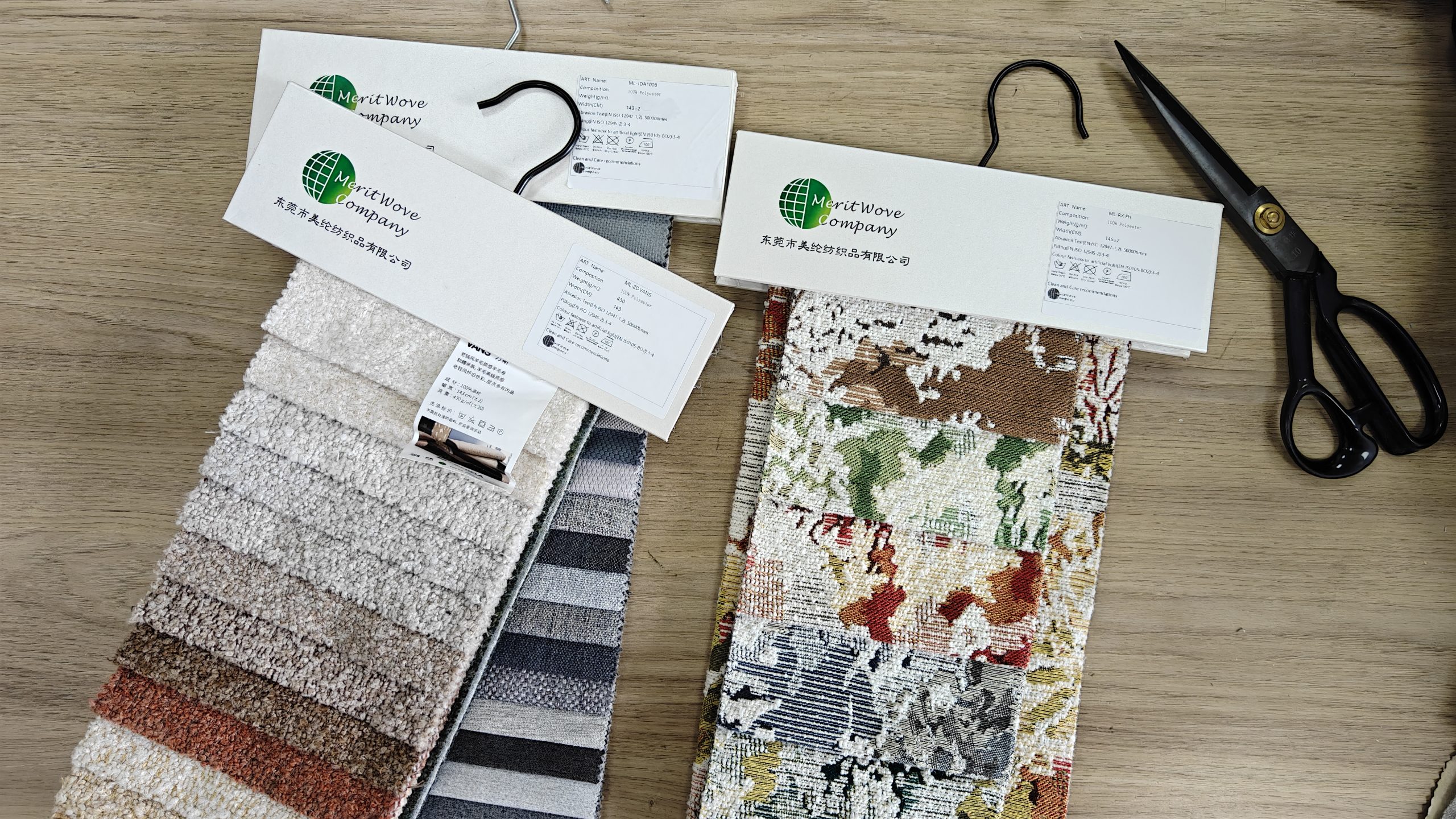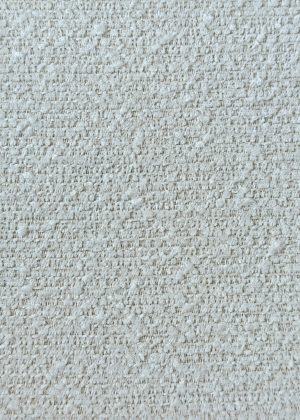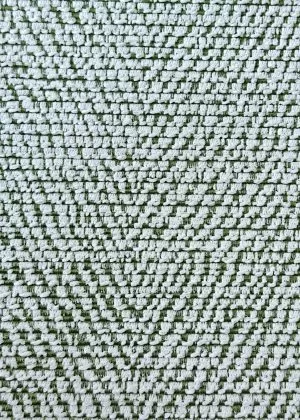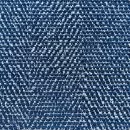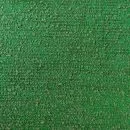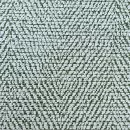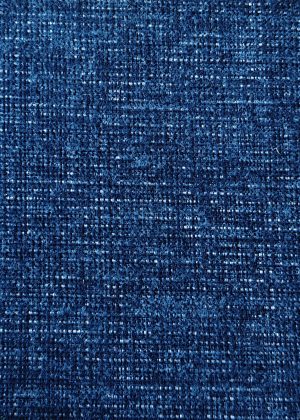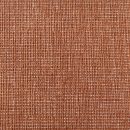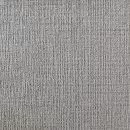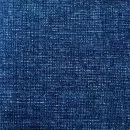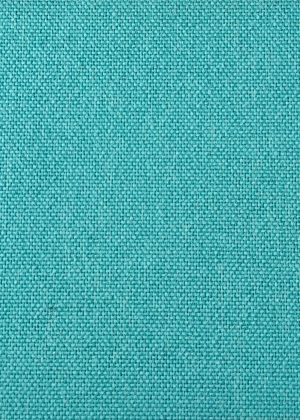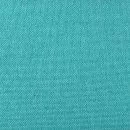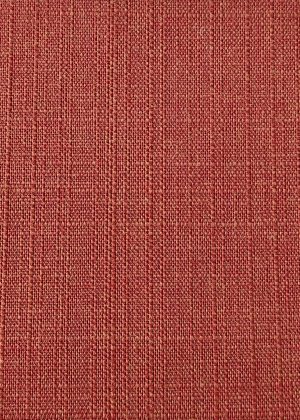
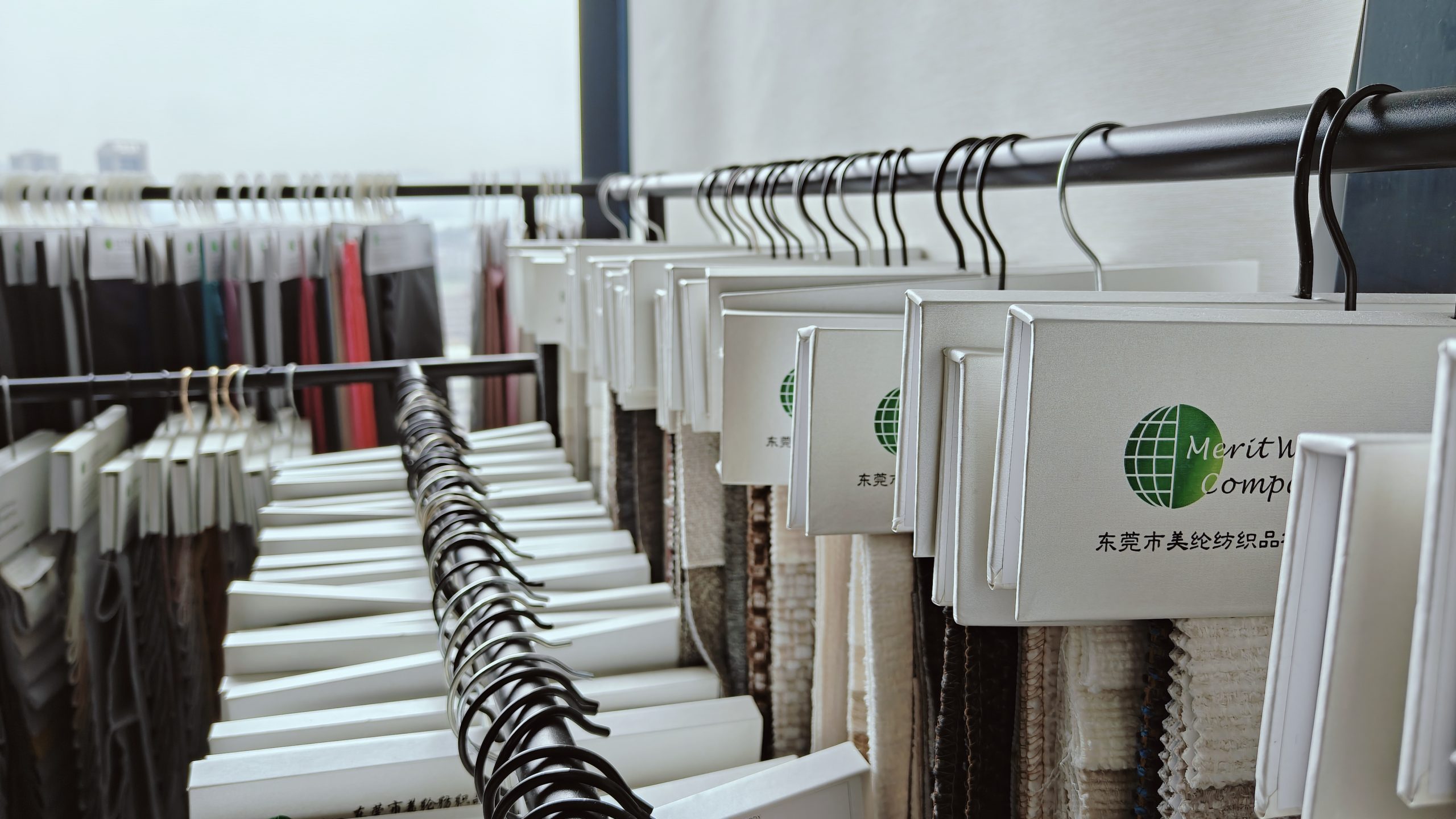
Sourcing fabric from China can be a practical option for furniture manufacturers, hospitality projects, interior designers, and other professional buyers. At the same time, choosing the right fabric supplier requires more than comparing product photos and prices. Buyers need to evaluate fabric requirements, supplier capabilities, samples, quality standards, production capacity, commercial terms, and delivery arrangements before placing an order. This guide outlines the key steps involved in sourcing fabric from China and provides a practical framework for evaluating suppliers and managing the purchasing process.
Fabric Sourcing Checklist
Before contacting a fabric supplier, prepare the basic requirements for your project:
- Product application and furniture type
- Fabric construction and appearance
- Color, pattern, and texture
- Composition and technical requirements
- Estimated order quantity
- Target price range
- Required performance or testing
- Delivery destination and timeline
Having this information ready can make supplier communication more efficient and help you compare quotations more accurately. Explore our indoor and outdoor fabric collections to see different fabric types, textures, and applications.
1. Define Your Fabric Requirements Before You Start

Before searching for suppliers, it is important to clearly understand what you need. A clear specification makes it easier to identify suitable suppliers and compare different fabric options.
Define the Product Application
Consider where the fabric will be used:
- Sofas and upholstered furniture
- Dining and accent chairs
- Cushions and pillows
- Hospitality furniture
- Residential interiors
- Commercial projects
- Outdoor furniture
Different applications may require different fabric constructions, appearance, and performance characteristics.
Define Fabric Appearance and Construction
Depending on your project, you may need to specify:
- Color
- Pattern
- Texture
- Hand feel
- Composition
- Width
- Weight
- Performance requirements
For example, a hospitality furniture project may have different requirements from a residential furniture collection.
Define Quantity and Budget
Your estimated order volume and target budget will also affect supplier selection. Before contacting suppliers, it is useful to prepare your estimated order quantity, expected repeat volume, target price range, and development requirements.
2. Find and Evaluate Fabric Suppliers in China

Once your requirements are clear, the next step is to build a list of potential suppliers. There are several common ways for overseas buyers to find fabric suppliers in China.
Attend Industry Trade Shows
Trade shows allow buyers to see fabrics in person, compare different suppliers, and communicate directly with manufacturers. They can also provide useful insight into current fabric trends, new materials, colors, and construction techniques. For buyers who are sourcing significant volumes, meeting suppliers in person can provide a better understanding of their product range and communication capabilities.
Use Online B2B Platforms
Online sourcing platforms such as Alibaba and Made-in-China can help buyers identify potential suppliers and compare different products. However, a marketplace profile should be treated as a starting point rather than the only source of information. Before placing an order, evaluate the supplier’s:
- Company information
- Product range
- Manufacturing capabilities
- Quality control
- Testing and certifications
- Communication
- International market experience
Visit the Supplier’s Official Website
A professional supplier website can provide additional information that may not be available on a marketplace profile. Look for information about the company’s products, manufacturing capabilities, quality approach, locations, and contact information. You can also visit our About Merit Wove page to learn more about our company, fabric collections, manufacturing capabilities, and quality approach.
3. Request and Evaluate Fabric Samples
Once you have identified potential suppliers, request fabric samples before making a purchasing decision. A physical sample allows you to evaluate the actual material rather than relying only on photographs or online descriptions.
What Should You Check?
When evaluating samples, consider:
- Does the quality meet your requirements?
- Does the color match your expectations?
- Is the pattern or texture suitable for the project?
- Is the hand feel appropriate?
- Is the fabric suitable for the intended furniture application?
- Does the price fit your budget?
- Are the relevant technical specifications and test results available?
For furniture and hospitality applications, buyers may also need to review technical information such as composition, abrasion resistance, color fastness, width, weight, and other project-specific requirements.
Compare Samples Using the Same Criteria
When possible, compare samples from several suppliers using the same evaluation criteria. This helps avoid making a purchasing decision based only on appearance or unit price. Explore our fabric collections to compare different fabric types, textures, and applications.
4. Verify the Supplier and Manufacturing Capabilities
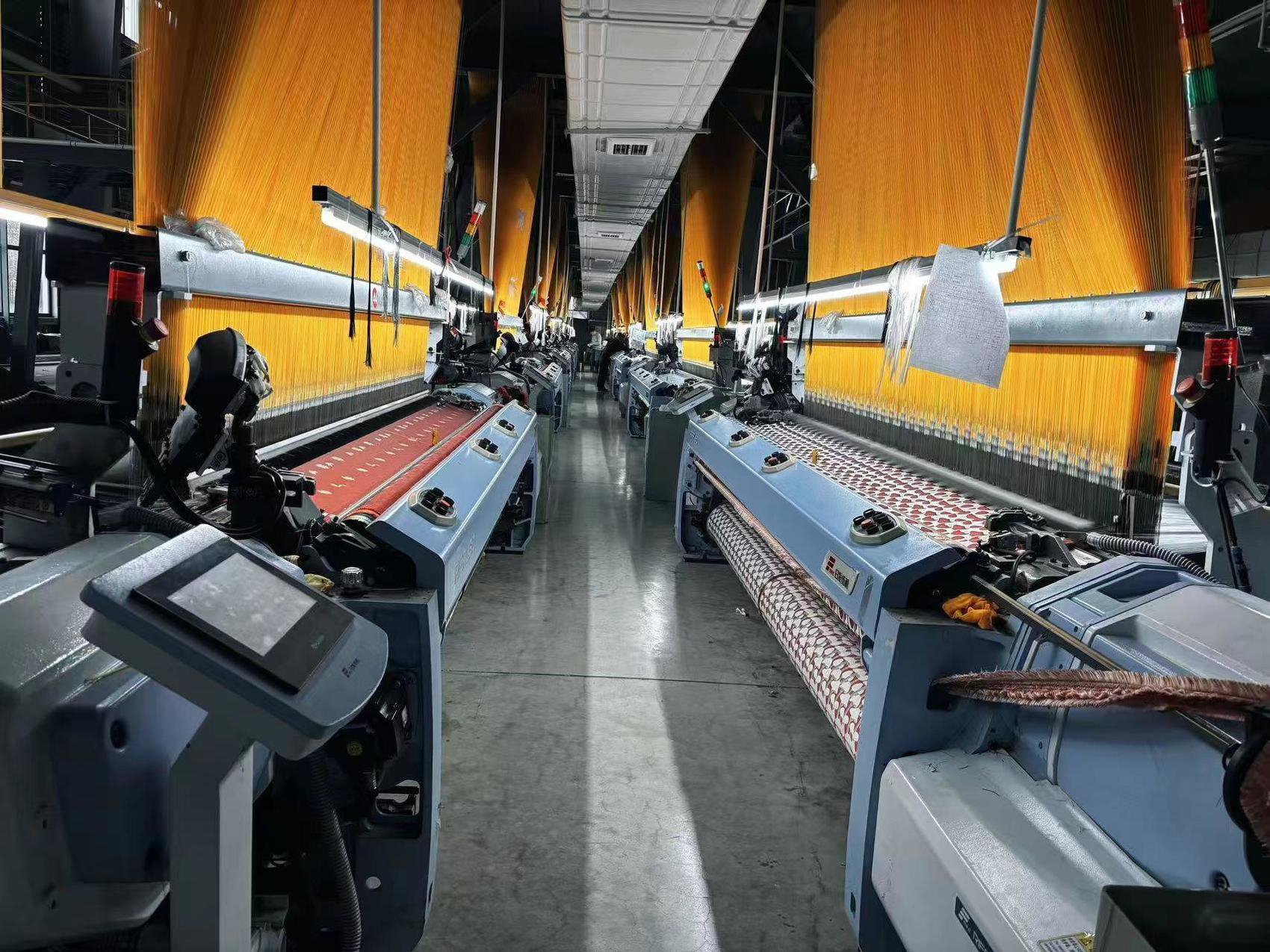
After reviewing samples, the next step is to understand who you are actually buying from. Supplier verification can include a factory visit, virtual factory audit, third-party inspection, or a detailed review of the supplier’s manufacturing information.
Review Manufacturing Capabilities
Consider whether the supplier has:
- Appropriate production equipment
- Sufficient production capacity
- Experienced technical staff
- Quality control procedures
- Reliable raw material sourcing
- Product development capabilities
- Experience with international orders
If your project requires custom colors, constructions, patterns, or technical requirements, confirm whether the supplier can support product development.
Review Quality and Compliance
Depending on your market and application, buyers may also need to review relevant testing, certifications, environmental requirements, and other compliance standards. The goal is not simply to confirm that a factory exists. It is to understand whether the supplier can consistently produce the required product at the expected quality level. Learn more about our quality and compliance approach and manufacturing capabilities.
5. Negotiate Price and Commercial Terms
Once the supplier and product meet your requirements, you can move on to commercial discussions. Price is important, but it should not be the only factor when comparing suppliers.
Minimum Order Quantity
Ask about:
- Minimum order quantity
- Sample quantity
- Production quantity
- Price levels for different order volumes
- Reorder requirements
Larger volumes may allow different pricing structures, but total purchasing value should be considered together with quality, lead time, logistics, and service.
Payment Terms
Agree on payment terms that are clear and acceptable to both sides. Make sure the quotation and order documents clearly state what is included and when payment is due.
Lead Time
Confirm the expected lead time for:- Sample development
- Color approval
- Bulk production
- Quality inspection
- Shipment preparation
A competitive price is of limited value if the supplier cannot meet the required delivery schedule.
Quality Assurance
Discuss how quality will be controlled from product development through production and final delivery. Clearly documented quality requirements can help reduce misunderstandings later in the order process.
6. Place a Trial Order Before Scaling Up
If you are working with a new supplier, consider starting with a smaller trial order before moving to larger volumes. A trial order allows you to evaluate the supplier’s actual performance under a real production and delivery process.
Confirm the Purchase Order
Before placing the order, make sure the purchase order or sales contract clearly identifies:
- Product code
- Fabric specification
- Color
- Quantity
- Price
- Delivery date
- Payment terms
- Packaging requirements
- Quality requirements
Clear order documentation helps both parties work from the same expectations.
Maintain Communication During Production
Stay in contact with the supplier during production rather than waiting until the goods are ready for shipment. Regular communication can help identify issues earlier and keep the order on schedule.
7. Implement Quality Control Before Shipment
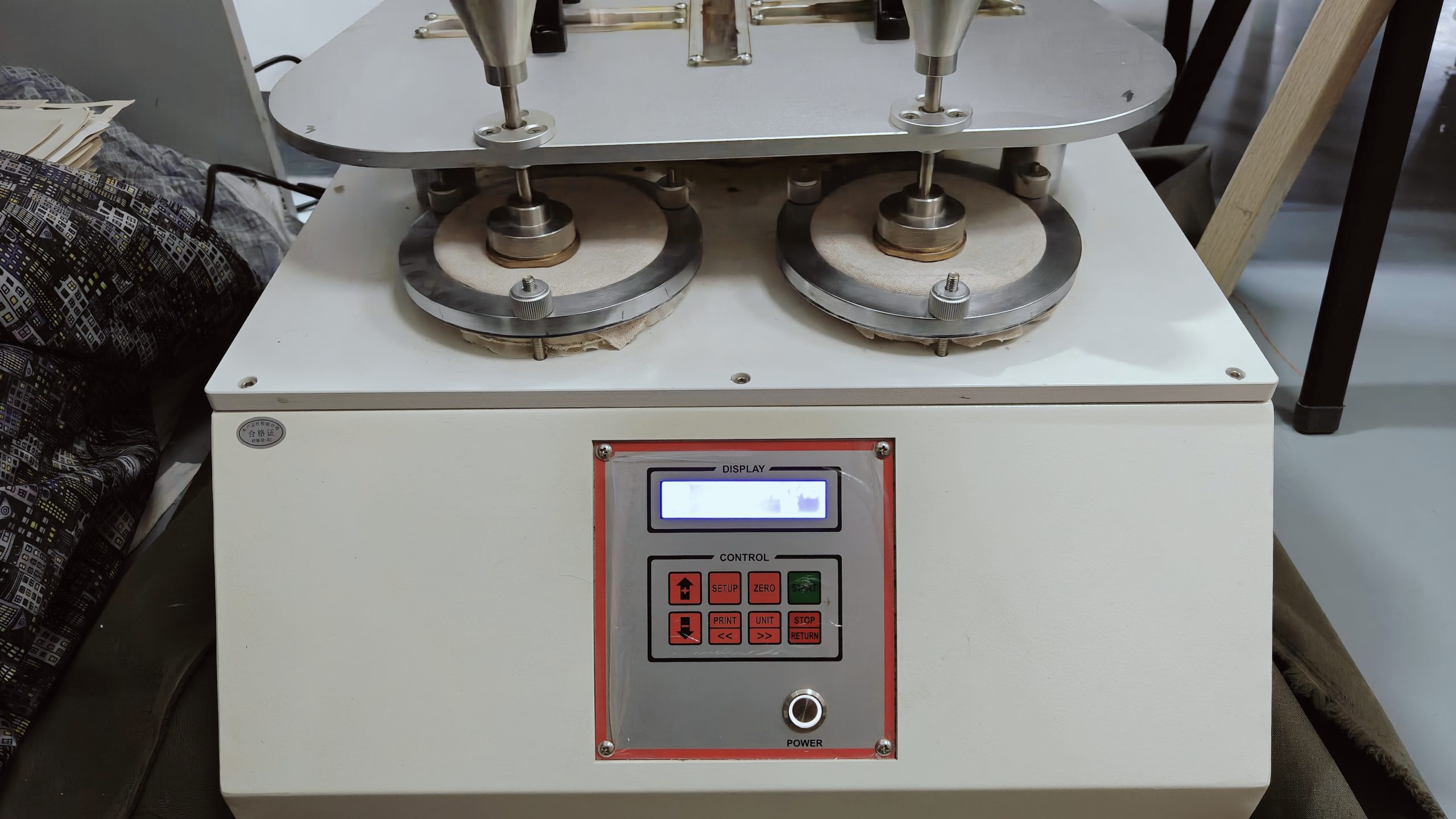
Quality control should not be treated as the final step of purchasing. For fabric orders, inspection may include appearance, color, weight, width, construction, performance, and other agreed specifications.
What Can Be Checked?
Depending on the product and project requirements, quality inspection may include:
- Fabric appearance
- Color consistency
- Width
- Weight
- Construction
- Abrasion performance
- Color fastness
- Packaging
- Quantity
Inspection can take place during production or before shipment, depending on the order and agreed quality-control process. For larger projects, it can also be useful to confirm the required quality standard before bulk production begins.
8. Plan Logistics and Shipping

After the fabric has passed the agreed quality checks, logistics becomes the next priority. The most suitable shipping method depends on factors such as:
- Order volume
- Weight
- Shipment volume
- Delivery schedule
- Destination
- Transportation cost
Air Freight vs. Sea Freight
Air freight may be considered when speed is a higher priority. Sea freight is commonly considered for larger shipments when transportation cost is an important factor. Depending on the agreed scope of supply, the fabric supplier may also help coordinate shipping arrangements and provide relevant export documentation.
9. Build a Long-Term Relationship with Your Fabric Supplier
Fabric sourcing is not always a one-time transaction. Once you find a supplier that consistently meets your quality, delivery, and communication requirements, a long-term relationship can make future sourcing more efficient.
Benefits of a Stable Supplier Relationship
A reliable supplier relationship can support:
- Repeat orders
- More consistent product quality
- New color development
- New fabric development
- Faster sampling
- More predictable lead times
- Better communication
For furniture manufacturers and hospitality projects, stable supplier relationships can be especially useful when products need to be reordered or developed across multiple collections.
Conclusion: A Structured Approach Makes Fabric Sourcing Easier
Sourcing fabric from China involves more than finding a competitive price. A successful purchasing process starts with clear fabric requirements and continues through supplier evaluation, sample approval, manufacturing verification, negotiation, trial orders, quality control, logistics, and long-term communication. Taking the time to evaluate these areas can help overseas buyers reduce sourcing risks and build more reliable supplier relationships. At Merit Wove, we provide fabric supply and product development support for international customers looking for indoor and outdoor fabric solutions.
For more practical advice, read our guide to common mistakes when sourcing fabric from China and how to avoid them.
Need Fabric Pricing or Samples?
If you are currently sourcing fabric from China, contact us with your product requirements, target application, preferred fabric construction, or project details. Our team can help you explore suitable fabric options, discuss sampling and development requirements, and provide further information based on your project. Contact Merit Wove to discuss your fabric sourcing needs.